Advancing Movement Disorder Care
Bringing leading-edge neurophysiology to patients in the Southern Interior
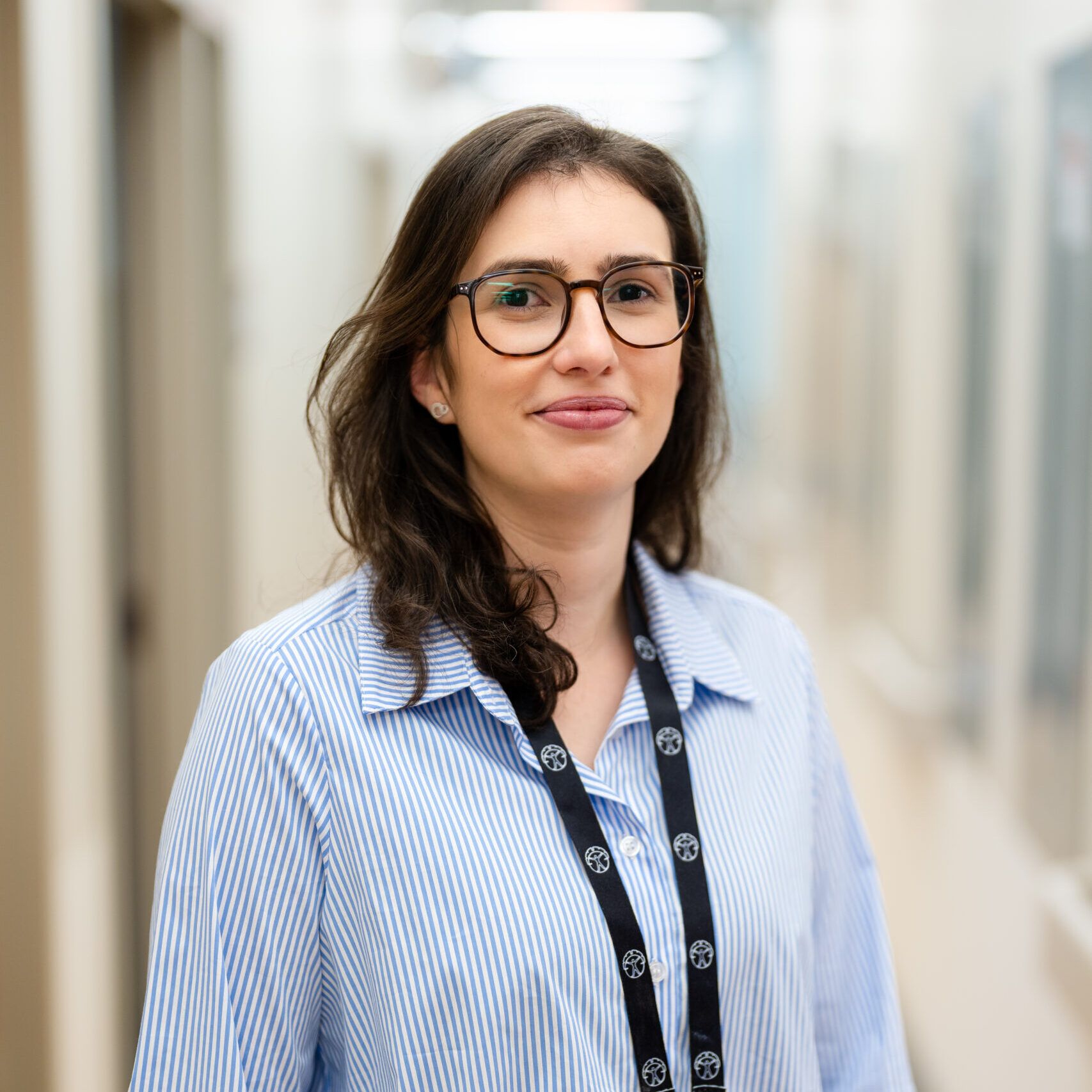
Dr. Grippe shares her unique path and experience in Neurology while shedding light on her research in emerging diagnostic and treatment options for those living with movement disorders.
I am a neurologist with a special interest in movement disorders, neurophysiology, and diagnostic accuracy. My passion for neuroscience began during medical school, when I became involved in research focused on Parkinson’s disease and neurophysiology. That early exposure shaped the direction of my career and my commitment to improving how we diagnose and treat patients with complex neurological conditions.
After completing my neurology residency, I pursued a Master’s degree investigating diagnostic methods to differentiate Parkinson’s disease from similar conditions. I then undertook specialized training in movement disorders in Brazil, along with advanced clinical neurophysiology training, focusing on integrating electromyography into the assessment of movement disorders.
However, I soon realized that these experiences, while valuable, were not enough. I wanted to train in a setting where neurophysiological studies of movement disorders were not only performed regularly but deeply integrated into clinical decision-making by experts in the field.
This led me to Toronto, where I completed five years of advanced clinical and research training. During that time, I performed 197 neurophysiological studies of movement disorders and was exposed to a range of complex cases. What struck me most was the tangible impact these studies could have. They helped clarify a patient’s diagnosis, directly influenced treatment decisions, and even helped predict whether a patient’s tremor would respond well to surgical intervention.
It became clear to me that neurophysiology is not just a complementary tool, it is a powerful, underutilized resource with the potential to significantly improve patient outcomes.
Alongside my clinical training, I completed a PhD in partnership with the University of Minas Gerais, focusing on non-invasive neurophysiological techniques in the treatment of Parkinson’s disease. There I was introduced to therapeutic ultrasound—an emerging technology that remains in the research phase but is rapidly evolving. Its potential to become a part of routine clinical practice is both exciting and promising.
Now based in Kelowna at the Humphreys Family Movement Disorder Clinic, I am thrilled to be a part of a multidisciplinary team. A central goal of my work is to make neurophysiological diagnostic tools for movement disorders accessible to patients in our region. This would make us the third centre in all of Canada to have this tool available clinically. At the same time, I am working to develop research initiatives focused on non-invasive neuromodulation as a potential therapeutic avenue.
Through this work, I hope to bridge gaps in access, bring innovative diagnostic and treatment approaches to underserved regions, and contribute to a future where precision in movement disorder care is the standard rather than the exception.