Big Steps Forward for Little Patients
Making hospital care more comfortable for kids
The Pediatric Department at Kelowna General Hospital is entering a new chapter shaped by resilience, momentum, and commitment to the children and families in the Southern Interior.
Just last year, the department faced a difficult period when staffing shortages led to a six-week closure. For families across the region, that uncertainty was deeply felt. When a child is sick, injured, or in need of urgent care, parents want to know that help is close by and ready. For the pediatric team, the closure was a reminder of just how essential their work is to the community.
Today, there is a renewed sense of energy and possibility within the department. With the arrival of Dr. Wong as the new Head of Pediatrics, along with five additional physicians, KGH is once again providing consistent, 24/7 pediatric care.
And while strengthening the medical team has been a critical step forward, the department’s vision extends beyond clinical care alone. Pediatrics is also focused on creating experiences that help children and families feel safer and more supported in what can often be an overwhelming environment.
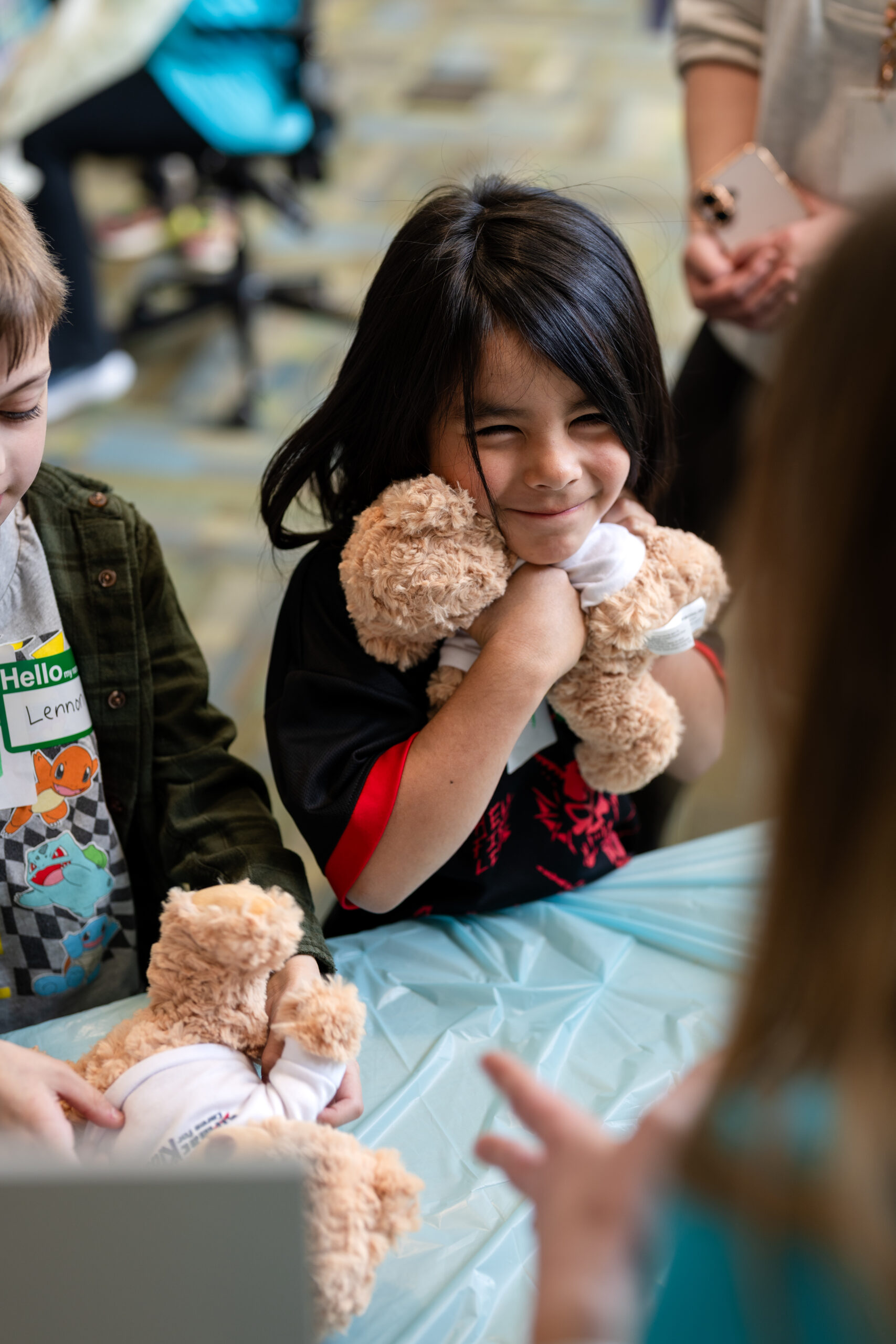
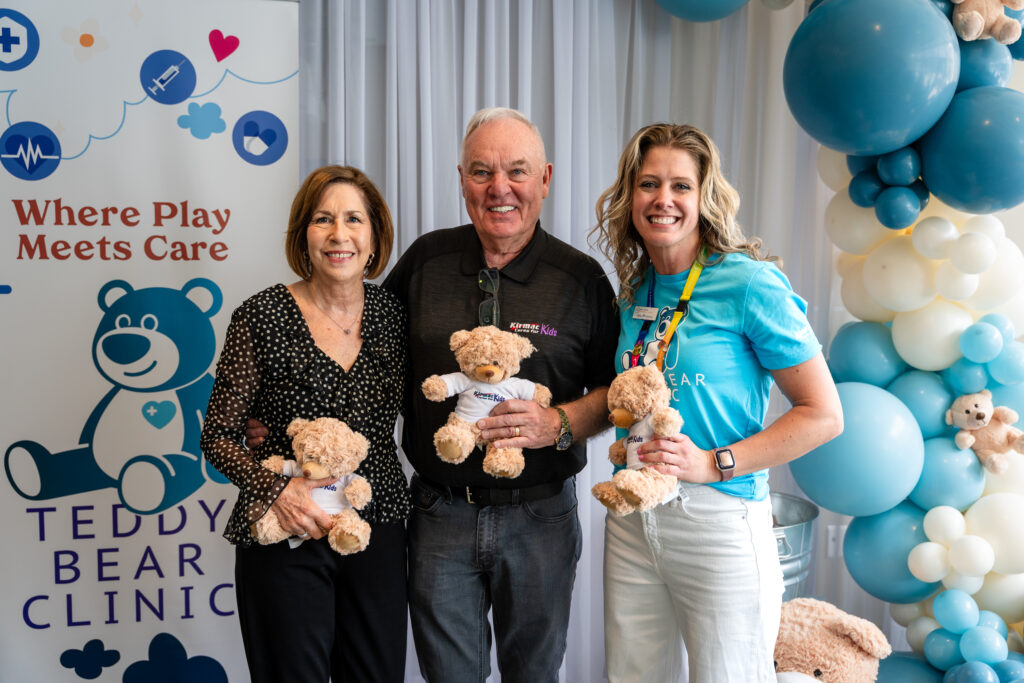
One of the most endearing (and cutest) examples of this work is the launch of the Teddy Bear Clinic, made possible by a four year commitment from Kirmac Cares for Kids, of Kirmac Collision and Autoglass.
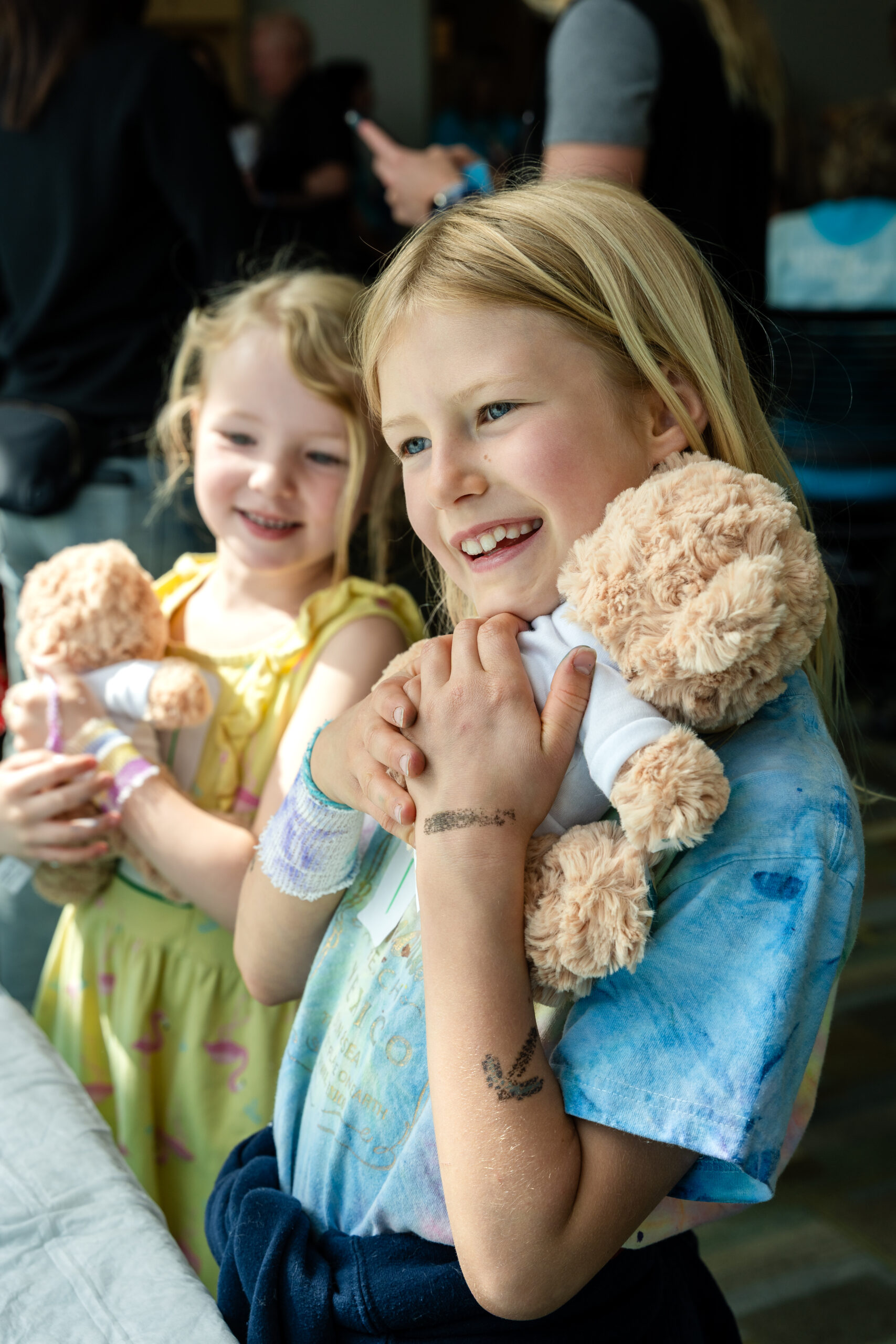
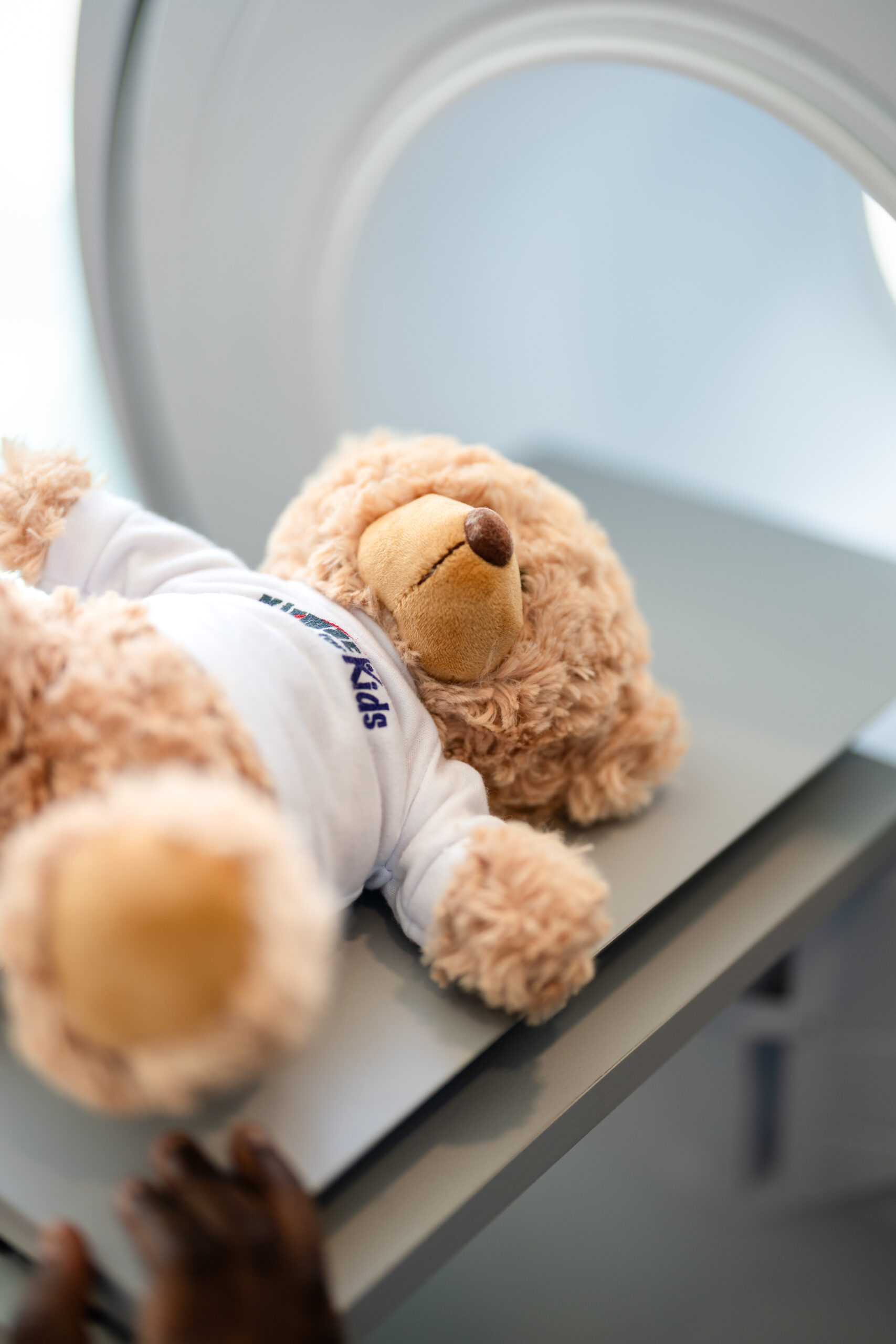
For many children, hospitals can feel unfamiliar and frightening. The sounds, the equipment, the unknowns. It can be a lot to take in. But what happens when a child’s first visit comes with an exciting field trip and a new teddy bear? What happens when Teddy gets a check-up, a cast, an X-ray, or an IV before they do?
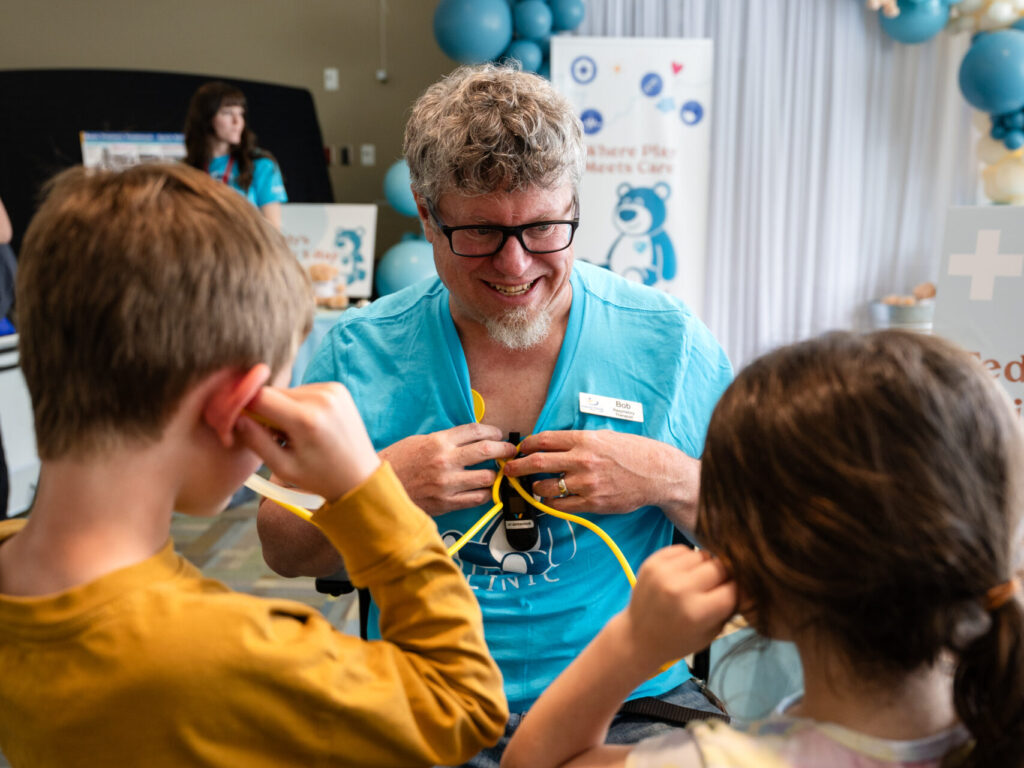
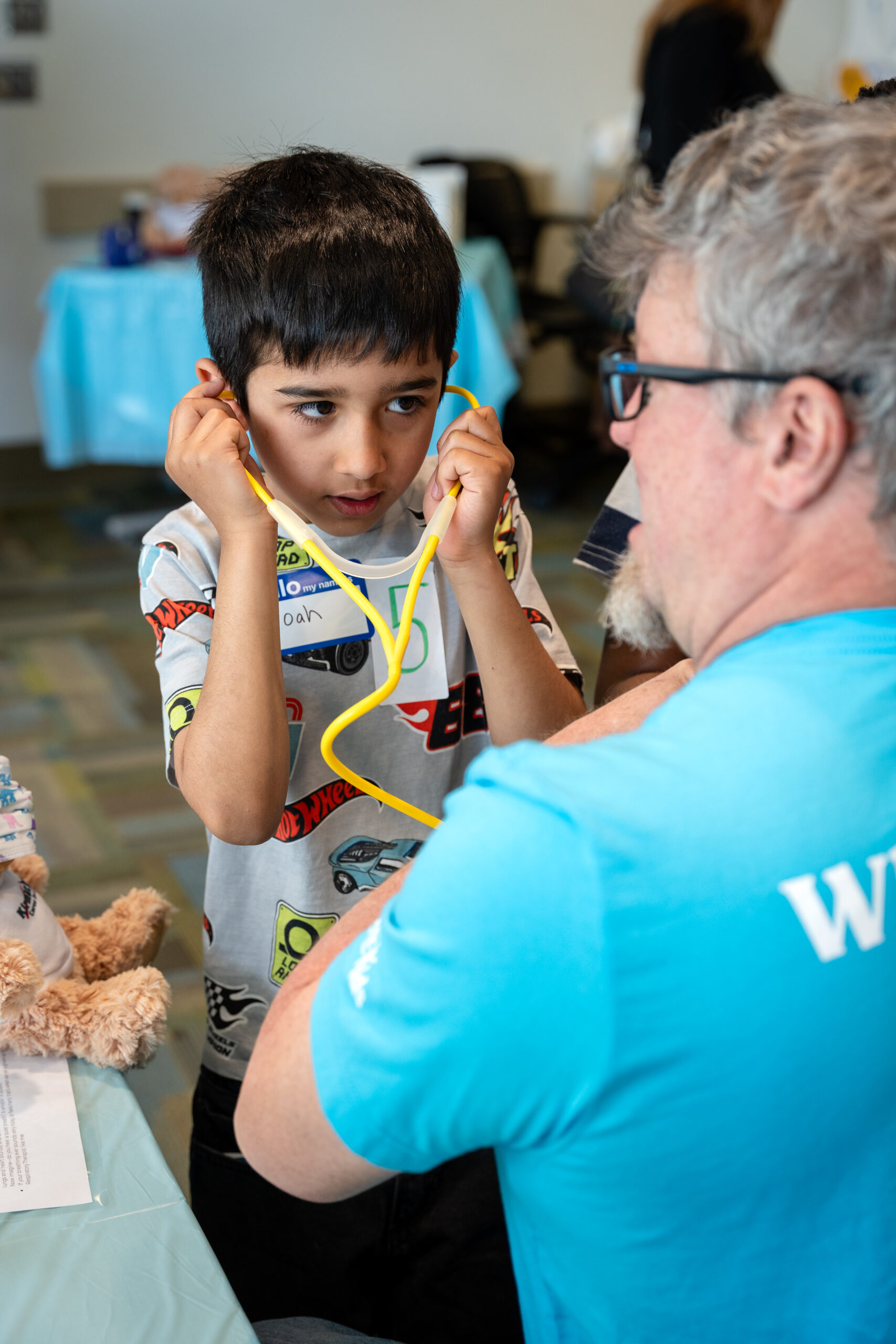
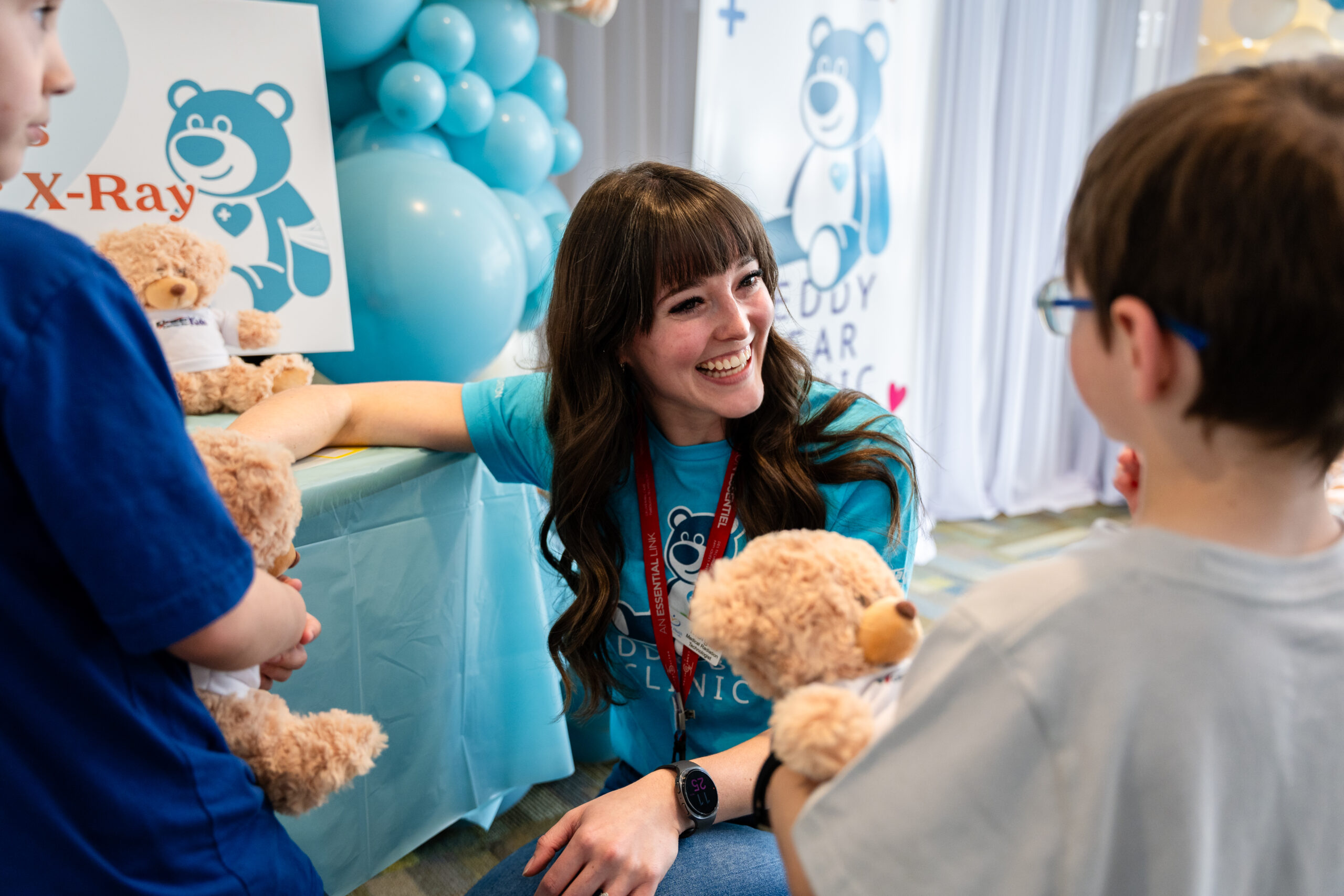
Staffed by real health care professionals, the Teddy Bear Clinic offers children a safe, welcoming and playful space to explore medical care on their own terms. Young elementary students guide their stuffed “patients” through seven interactive stations, including vitals, heart sounds, X-rays, IVs, and bloodwork, MRI, casts and bandages, and scrub preparation. Adding to the magic are miniature replicas of imaging equipment, handmade by the organizers, helping bring the experience to life in a way that feels approachable and fun.
At each station, children are invited to ask questions, touch equipment, listen, learn, and imagine. They become the caregivers to their stuffed animals. And in those moments, fear is overtaken by curiosity.
A child who may one day need care at KGH can begin to see the hospital not only as a place where scary things happen, but as a place filled with kind people who are there to help.
The clinic also creates a special opportunity for health care staff. Outside of the usual pace and pressure of the clinical setting, they can connect and build trust with children and families through moments of laughter.
Clinicians volunteered to share their knowledge
of children report being afraid of at least one thing in the hospital
Alongside these efforts, the department is also taking important work to indigenize the Pediatric Unit, with the goal of creating a more welcoming, culturally safe, and inclusive environment for Indigenous children and families.
Planned enhancements include incorporating a land acknowledgement at the unit entrance, integrating nsyilxcən language throughout the space, adding Indigenous children’s books, and transforming three patient rooms with Indigenous artwork. Each of these changes is more than decorative. Together, they help create a space where Indigenous families can see their language, culture, and identity reflected. For a child receiving medical care, the environment matters. The sights, words, images, and stories around them can offer a sense of recognition and belonging.
By creating a space that feels more familiar, the Pediatric Unit is working to improve access to care and ensure more children and families feel supported when they need it most.
Together, these advancements represent far more than updates to a hospital department. They represent a renewed promise to the children and families of the Southern Interior.
From rebuilding a dedicated care team, to introducing imaginative programs like the Teddy Bear Clinic, to creating spaces that honour culture, safety, and belonging, the Pediatric Department at KGH is reaffirming what families have always needed to know: when their children need care, they are not alone. They are welcome. They are seen.